I just made a New Zealand Louise Cake, a buttery shortbread base topped with raspberry jam and a coconut Swiss Dessert meringue so ridiculously good people will start scheduling weekends around it.
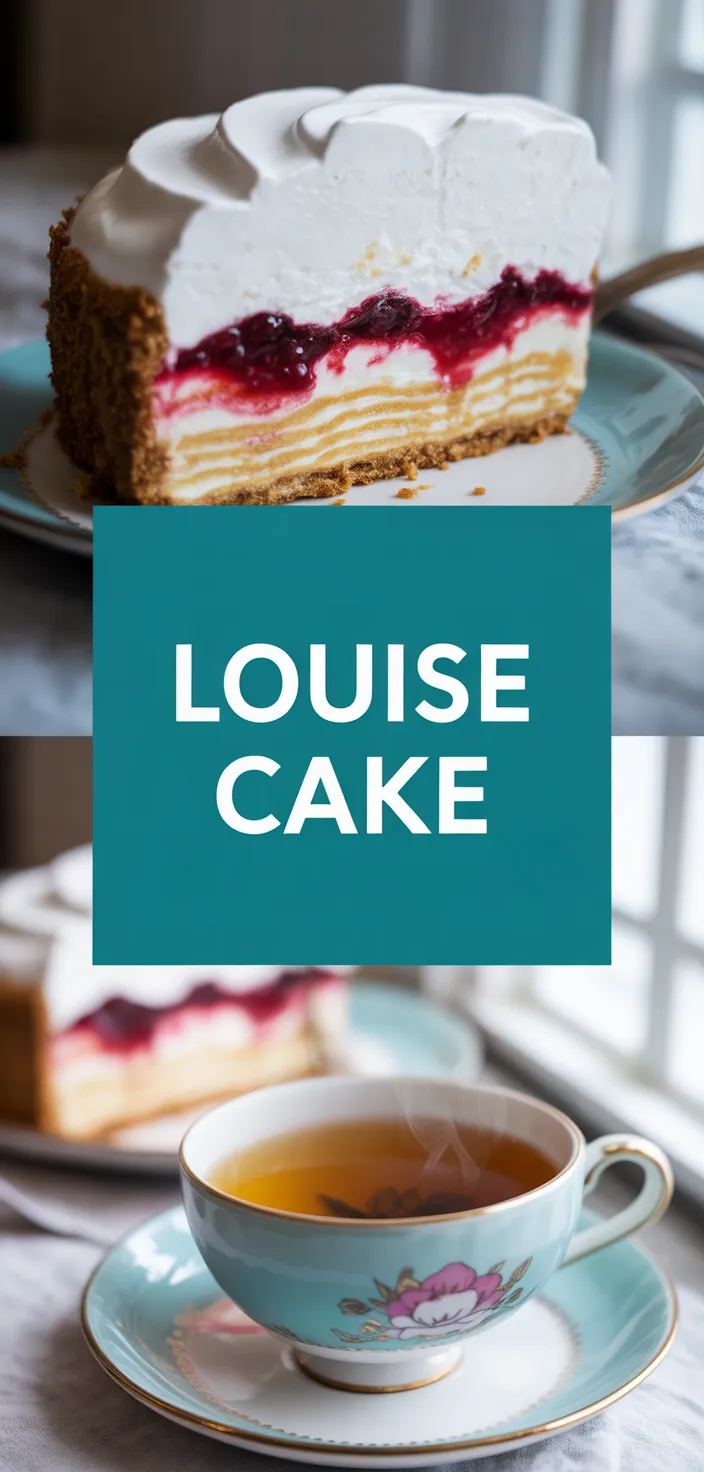
I can’t stop thinking about Louise Cake. I love how the buttery shortbread base crumbles under your fork, the bright hit of 1 cup raspberry jam sitting on top, and that cloud of glossy Swiss Dessert meringue toasted till it sings.
It’s the kind of New Zealand Louise Cake that makes you stop mid-scroll and actually reach for a plate. But it’s messy in the best way, sticky fingers and jam on your chin.
And yes I will argue that this is one of those Tasty Cakes Recipes you should chase. Take it seriously.
Or don’t. Just eat it now.
Ingredients
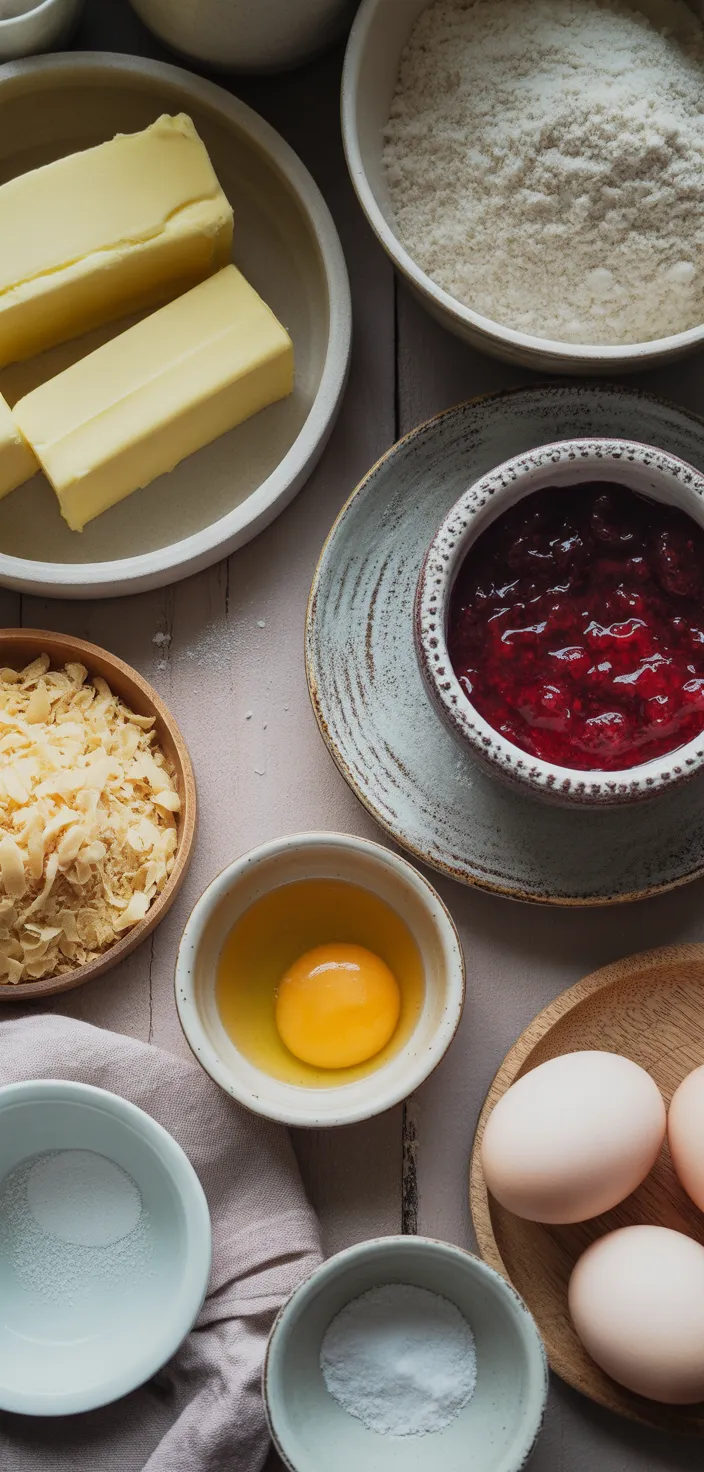
- Unsalted butter: basically makes the base rich and melt-in-your-mouth.
- Caster sugar: it sweetens gently and gives a fine, even crumb.
- Egg yolk: adds silkiness and helps the dough bind together.
- Plain flour: provides structure so the cake holds its shape.
- Pinch of salt: balances sweetness and brings out the other tastes.
- Raspberry jam: bright, fruity layer that cuts through the richness.
- Egg whites: for a glossy Swiss meringue that’s light and airy.
- Caster sugar for meringue: makes the meringue glossy and stable.
- Desiccated coconut: a chewy, toasty texture you’ll actually notice.
- Vanilla extract: basically adds warmth and a familiar sweet note.
- Cream of tartar or salt: plus, it helps the meringue stay tall.
Ingredient Quantities
- 225g unsalted butter, softened
- 2/3 cup caster sugar (about 135g)
- 1 egg yolk
- 2 cups plain (all purpose) flour (about 300g)
- pinch of salt
- 1 cup raspberry jam (about 250g), smooth or with seeds, whichever you like
- 4 large egg whites (for the Swiss meringue)
- 1 cup caster sugar (about 220g) for the meringue
- 1 cup desiccated coconut (about 90g)
- 1 teaspoon vanilla extract
- pinch of cream of tartar or a small pinch of salt (optional, helps stabilize the meringue)
How to Make this
1. Preheat oven to 180 C and line a 20×20 cm square tin with baking paper, leaving some overhang so you can lift the cake out later.
2. Cream 225g softened butter with 2/3 cup (about 135g) caster sugar until pale and fluffy, then beat in 1 egg yolk; don’t overwork it.
3. Sift or stir in 2 cups (about 300g) plain flour and a pinch of salt, and bring into a soft dough; press it evenly into the prepared tin to form the shortbread base.
4. Bake the base for about 18 to 22 minutes or until just firm and very lightly golden; let it cool a little in the tin but don’t completely cool, you want it still warm enough so jam spreads easily.
5. While the base bakes, set up a bain-marie: put 4 large egg whites and 1 cup (about 220g) caster sugar in a heatproof bowl over barely simmering water and whisk constantly until the sugar is dissolved and the mixture reaches about 71 C, or feels smooth and not gritty between your fingers. Add a pinch of cream of tartar or salt now if using.
6. Remove the whites+sugar from the heat and whisk with an electric mixer until glossy and stiff peaks form and the bowl is cool to the touch, this can take 6 to 10 minutes. Add 1 teaspoon vanilla extract near the end.
7. Spread about 1 cup (250g) raspberry jam evenly over the warm shortbread base; if you prefer smooth jam you can warm it slightly so it spreads without tearing the base.
8. Gently fold 1 cup (about 90g) desiccated coconut into the Swiss meringue, keep it light, then spoon or pipe the coconut meringue over the jam to cover completely.
9. Return to the oven and bake for a further 8 to 12 minutes at 180 C, or until the meringue is dry on the outside and just tinged golden on the peaks. Watch carefully because it browns fast.
10. Cool completely in the tin, then lift out with the paper, slice into squares once cold. Store in an airtight container; they’re best within a couple days but still tasty after that.
Equipment Needed
1. Oven (preheated to 180 C)
2. 20 x 20 cm square cake tin lined with baking paper (with overhang)
3. Electric hand mixer or stand mixer (for creaming and whipping meringue)
4. Heatproof mixing bowl and a medium saucepan (for the bain-marie)
5. Mixing bowls (one for the dough/base, one for dry ingredients)
6. Spatula and an offset spatula or knife (for spreading jam and meringue)
7. Fine sieve or sifter (for the flour and to remove any lumps)
8. Kitchen scales and measuring cups/spoons (for accurate quantities)
FAQ
Louise Cake Recipe Substitutions and Variations
- Unsalted butter (225g):
- Margarine or plant based spread, 1:1 by weight, use a block style for best texture. Might be slightly less rich.
- Coconut oil, solid, 1:1 by weight for a hint of coconut flavor. Chill dough briefly if too soft.
- Half butter + half Greek yogurt, replace up to 50% butter to cut fat and add tenderness. Dough will be a bit more fragile.
- Vegetable shortening, 1:1, gives a flakier shortbread like base but less buttery taste.
- Plain (all purpose) flour (2 cups / ~300g):
- Gluten free 1:1 flour blend, use same weight and add 1/4 tsp xanthan gum if the blend lacks it. Texture may be slightly crumbly.
- Half whole wheat + half AP flour by weight for nuttier flavor, expect a denser base.
- Self raising flour, use same volume but omit any added baking powder if recipe called for it. Press the dough a bit firmer when shaping.
- Almond meal, replace up to 25% of flour by weight for tenderness and almond taste, dough will be more fragile and brown quicker.
- 4 large egg whites (for Swiss meringue):
- Aquafaba (chickpea liquid), use 3 tbsp aquafaba per egg white. Whips slower but still gives glossy meringue, add a pinch of cream of tartar.
- Powdered egg whites, reconstitute per package to equal 4 whites. Convenient and stable for baking.
- Pasteurized liquid egg whites, use same volume as fresh whites. Good for safety and consistent whipping.
- For a simpler top, skip meringue and brush with beaten whole egg plus 1 tsp water for a light glaze, not as sweet or airy.
- Raspberry jam (1 cup / ~250g):
- Strawberry or apricot jam, 1:1 swap, similar sweetness and spreadability.
- Marmalade or lemon curd for a tangy twist, use same amount but reduce any extra sugar in meringue if needed.
- Fresh raspberry compote, about 1 1/4 cups cooked down with 2 tbsp sugar, chunkier texture but fresher flavor.
- Seedless preserves or smooth fruit purée, same volume, works better if you want an even layer under the meringue.
Pro Tips
1. Warm the jam a little in the microwave for 10 to 15 seconds so it spreads without tearing the warm shortbread. Don’t overheat it though, you just want it loosened, not runny.
2. When making the Swiss meringue keep the bowl over barely simmering water and whisk constantly till the sugar feels totally dissolved between your fingers. If it’s gritty the meringue wont hold properly, so take the extra minute to check.
3. Fold the coconut in gently with a spatula, not a whisk. Over mixing will deflate the meringue and give a dense topping, so stop as soon as it looks evenly mixed.
4. Watch the second bake like a hawk. The meringue can go from perfect to too brown in a minute. If the peaks start colouring too fast, pull it out and let residual heat finish the set. Store in an airtight container once fully cool to keep the base from going soggy.
Louise Cake Recipe
I just made a New Zealand Louise Cake, a buttery shortbread base topped with raspberry jam and a coconut Swiss Dessert meringue so ridiculously good people will start scheduling weekends around it.
12
servings
456
kcal
Equipment: 1. Oven (preheated to 180 C)
2. 20 x 20 cm square cake tin lined with baking paper (with overhang)
3. Electric hand mixer or stand mixer (for creaming and whipping meringue)
4. Heatproof mixing bowl and a medium saucepan (for the bain-marie)
5. Mixing bowls (one for the dough/base, one for dry ingredients)
6. Spatula and an offset spatula or knife (for spreading jam and meringue)
7. Fine sieve or sifter (for the flour and to remove any lumps)
8. Kitchen scales and measuring cups/spoons (for accurate quantities)
Ingredients
-
225g unsalted butter, softened
-
2/3 cup caster sugar (about 135g)
-
1 egg yolk
-
2 cups plain (all purpose) flour (about 300g)
-
pinch of salt
-
1 cup raspberry jam (about 250g), smooth or with seeds, whichever you like
-
4 large egg whites (for the Swiss meringue)
-
1 cup caster sugar (about 220g) for the meringue
-
1 cup desiccated coconut (about 90g)
-
1 teaspoon vanilla extract
-
pinch of cream of tartar or a small pinch of salt (optional, helps stabilize the meringue)
Directions
- Preheat oven to 180 C and line a 20×20 cm square tin with baking paper, leaving some overhang so you can lift the cake out later.
- Cream 225g softened butter with 2/3 cup (about 135g) caster sugar until pale and fluffy, then beat in 1 egg yolk; don’t overwork it.
- Sift or stir in 2 cups (about 300g) plain flour and a pinch of salt, and bring into a soft dough; press it evenly into the prepared tin to form the shortbread base.
- Bake the base for about 18 to 22 minutes or until just firm and very lightly golden; let it cool a little in the tin but don’t completely cool, you want it still warm enough so jam spreads easily.
- While the base bakes, set up a bain-marie: put 4 large egg whites and 1 cup (about 220g) caster sugar in a heatproof bowl over barely simmering water and whisk constantly until the sugar is dissolved and the mixture reaches about 71 C, or feels smooth and not gritty between your fingers. Add a pinch of cream of tartar or salt now if using.
- Remove the whites+sugar from the heat and whisk with an electric mixer until glossy and stiff peaks form and the bowl is cool to the touch, this can take 6 to 10 minutes. Add 1 teaspoon vanilla extract near the end.
- Spread about 1 cup (250g) raspberry jam evenly over the warm shortbread base; if you prefer smooth jam you can warm it slightly so it spreads without tearing the base.
- Gently fold 1 cup (about 90g) desiccated coconut into the Swiss meringue, keep it light, then spoon or pipe the coconut meringue over the jam to cover completely.
- Return to the oven and bake for a further 8 to 12 minutes at 180 C, or until the meringue is dry on the outside and just tinged golden on the peaks. Watch carefully because it browns fast.
- Cool completely in the tin, then lift out with the paper, slice into squares once cold. Store in an airtight container; they’re best within a couple days but still tasty after that.
Notes
- Below you’ll find my best estimate of this recipe’s nutrition facts. Treat the numbers as a guide rather than a rule—great food should nourish both body and spirit. Figures are approximate, and the website owner assumes no liability for any inaccuracies in this recipe.
Nutrition Facts
- Serving Size: 60g
- Total number of serves: 12
- Calories: 456kcal
- Fat: 20.94g
- Saturated Fat: 13.53g
- Trans Fat: 0.08g
- Polyunsaturated: 1g
- Monounsaturated: 5g
- Cholesterol: 55.7mg
- Sodium: 120mg
- Potassium: 83mg
- Carbohydrates: 63.1g
- Fiber: 1.7g
- Sugar: 42.1g
- Protein: 4.25g
- Vitamin A: 142IU
- Vitamin C: 0.1mg
- Calcium: 10mg
- Iron: 1.18mg