I made a Soft Fluffy Sourdough Sandwich Bread that slices impossibly thin yet stays pillowy and tangy without a speck of commercial yeast.
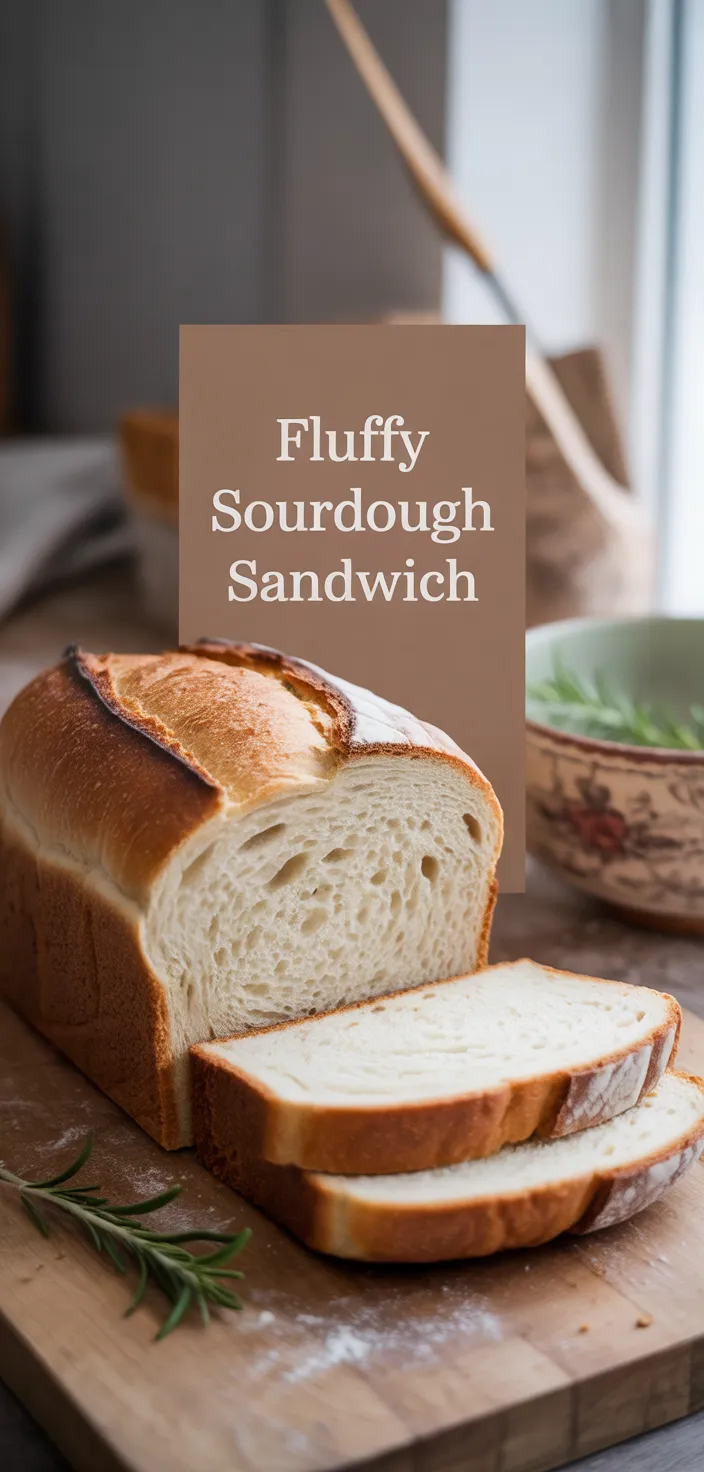
I am obsessed with this Soft Fluffy Sourdough Sandwich Bread. I can’t stop thinking about the crumb, the bounce, the way it squishes and then springs back.
I love that it’s true sourdough, no commercial yeast sneaking in, and the tang is balanced so it sings with butter, cheese, jam. But what sells it for me is the texture, airy but still pillowy, perfect for stacked sandwiches.
I use bread flour and an active sourdough starter, and that’s it for my favorite loaves. And I’ll fight anyone who calls it plain.
This is my sandwich bread, end of story. seriously.
Ingredients
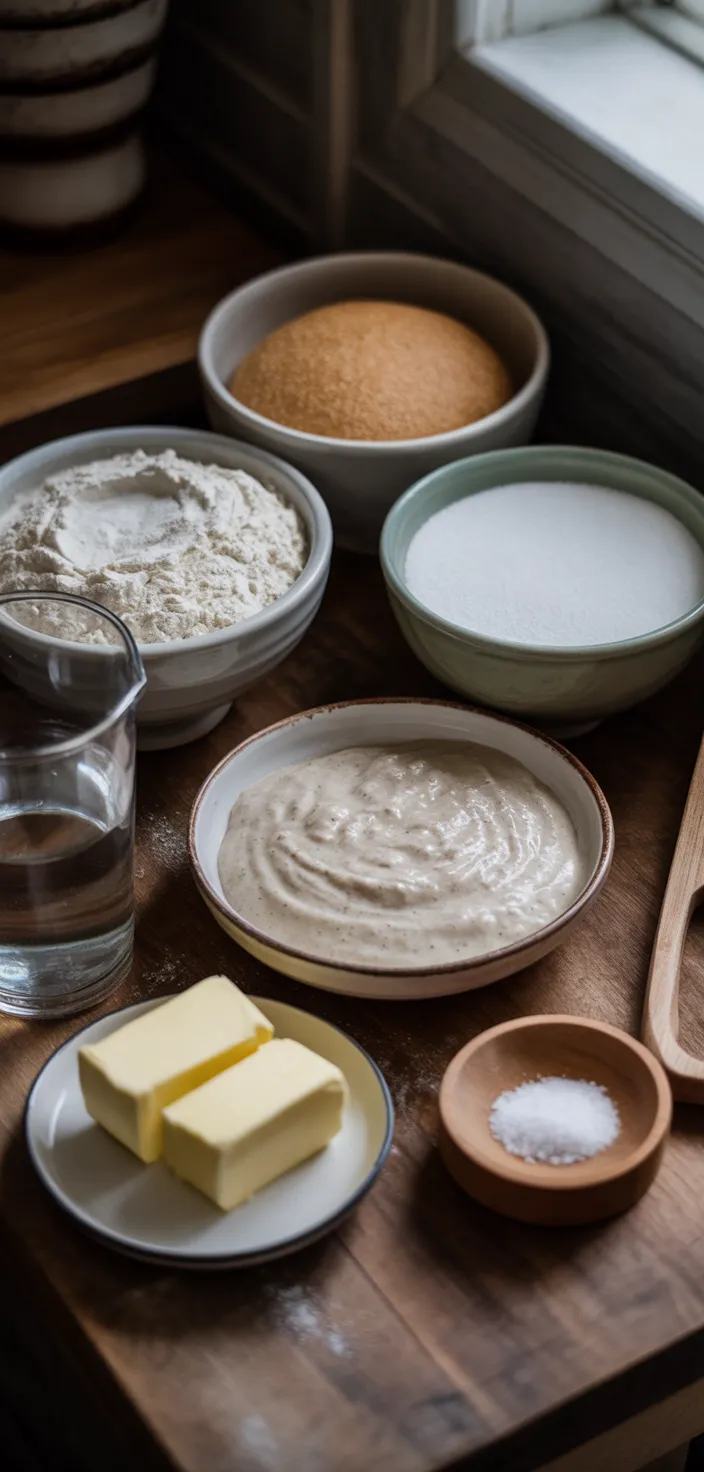
- Bread flour: Gives structure and chew, so slices hold up without falling apart.
- Whole wheat flour: Adds nuttiness and fiber, makes it a bit heartier.
- Water: Hydrates the dough and helps create that soft, open crumb.
- Milk: Basically makes the crumb richer and softer, with a tender bite.
- Starter: It’s the tang and natural lift that keeps things alive.
- Butter: Adds richness and tender softness, makes slices feel luxurious.
- Sugar or honey: Gives gentle sweetness and helps with golden browning.
- Salt: Brings out flavor and tightens the dough’s structure a bit.
- Room temp ingredients: Plus they mix together smoother and proof more predictably.
Ingredient Quantities
- 400 g bread flour
- 75 g whole wheat flour
- 310 g water, room temp (about 65 to 70 F)
- 60 g whole milk, room temp
- 150 g active sourdough starter, 100% hydration, bubbly and recent feed
- 45 g unsalted butter, softened (can use oil if you want)
- 30 g granulated sugar or honey, for slight sweetness
- 9 g fine sea salt (about 1 1/2 teaspoons)
How to Make this
1. In a large bowl whisk together 400 g bread flour and 75 g whole wheat flour, then stir in 9 g fine sea salt; set that aside for a moment.
2. Combine 310 g room temp water and 60 g room temp whole milk in a separate container, then add 150 g active 100% hydration sourdough starter and mix until the starter is mostly dissolved.
3. Pour the liquid into the flour and mix with a spatula or your hand until no dry flour remains; cover and rest 30 to 45 minutes for an autolyse. This helps the dough get soft and stretchier.
4. After autolyse add 30 g sugar or honey and 45 g softened unsalted butter. Pinch and knead in the bowl or on a work surface until the butter is absorbed and dough becomes smoother, about 5 to 8 minutes. It will feel sticky but should hold together.
5. Do a series of stretch and folds during bulk fermentation: every 30 minutes for the first 2 hours lift one side of the dough and fold it over itself, rotate the bowl and repeat 4 sides. After the folds, let the dough sit undisturbed until it has risen about 30 to 50 percent, usually total bulk time 3 to 4 hours at room temp.
6. When the dough has risen and shows bubbles, turn it gently onto a lightly floured surface, preshape into a loose log and rest 20 minutes, uncovered. This relaxes the gluten for final shaping.
7. Tighten the loaf by rolling into a snug cylinder and sealing the seam with your fingers. Place seam-down into a greased 9×5 inch loaf pan or line it with parchment; you want a smooth top so it bakes even.
8. Cover and proof at room temp until the dough rises to about 1 inch above the rim of the pan, usually 1 to 2 hours depending on temperature. For a slower, more complex flavor you can refrigerate overnight; bring back to room temp before baking.
9. Preheat oven to 375 F (190 C). Brush the top lightly with milk or an egg wash if you want a shinier crust. Bake 30 to 40 minutes until the top is deep golden and the internal temperature reaches about 190 to 200 F. If the top browns too fast tent with foil.
10. Remove from oven, turn out of the pan and cool completely on a rack before slicing, at least 1 to 2 hours. Sourdough continues to set as it cools, so slicing too early makes it gummy. Enjoy as sandwiches or toast.
Equipment Needed
1. Digital kitchen scale for weighing flours, starter and liquids accurately, cause eyeballing wont cut it.
2. Large mixing bowl to combine flour and salt, and for bulk fermentation later.
3. Medium container or bowl to mix the water, milk and starter in before adding to the flour.
4. Flexible spatula or wooden spoon for mixing and folding; your hands will get in there too.
5. Bench scraper/dough scraper to shape, preshape and clean the work surface.
6. Measuring spoons for the salt and small ingredients, and a rubber spatula to get every bit of butter out.
7. 9 x 5 inch loaf pan, greased or lined with parchment, for the final bake.
8. Clean kitchen towel or plastic wrap to cover during autolyse, folds and proofing.
9. Instant read thermometer to check the loaf hits about 190 to 200 F, and a cooling rack to cool it properly.
FAQ
Soft And Fluffy Sourdough Sandwich Bread Recipe Substitutions and Variations
- Bread flour: use all purpose flour plus 1 to 2 tablespoons of vital wheat gluten to boost protein and chew, or use 100% all purpose but expect slightly softer, less chewy crumb.
- Whole wheat flour: swap for spelt flour for a milder nutty flavor, or replace with white whole wheat for lighter texture; if you only have plain white flour add 1 tablespoon of wheat bran for flavor.
- Whole milk: sub with buttermilk for tang and extra tenderness (reduce water by a tablespoon if very thick), or use room temp water plus 1 tablespoon melted butter for similar fat content.
- Active sourdough starter: if you dont have starter, use 1 1/4 to 1 1/2 teaspoons active dry yeast dissolved in the water and skip the long bulk ferment; dough will need shorter rise times and less tang.
Pro Tips
1. Watch the water, dont just dump it all if your starter is wetter or your flour is old — start with 295 to 300 g and add the rest only if the dough feels too dry. That little tweak keeps the dough from getting gummy and makes shaping way easier.
2. Make sure the butter is soft but not melted, otherwise it just slicks out of the dough. If you add it and the dough gets super slack chill it for 10 minutes, then continue folding, you wont lose the rise.
3. Do the stretch and folds standing up and use the bowl to help you, dont try to knead raw stickiness out. Four sets spaced 30 minutes apart builds strength without overworking. Look for bubbles and a 30 to 50 percent rise not just a size guess.
4. Dont slice hot. Let the loaf cool completely at least an hour maybe two. If you cut it early the crumb will be gummy and collapse, and honestly patience here gives way better texture and flavor.
Soft And Fluffy Sourdough Sandwich Bread Recipe
I made a Soft Fluffy Sourdough Sandwich Bread that slices impossibly thin yet stays pillowy and tangy without a speck of commercial yeast.
12
servings
205
kcal
Equipment: 1. Digital kitchen scale for weighing flours, starter and liquids accurately, cause eyeballing wont cut it.
2. Large mixing bowl to combine flour and salt, and for bulk fermentation later.
3. Medium container or bowl to mix the water, milk and starter in before adding to the flour.
4. Flexible spatula or wooden spoon for mixing and folding; your hands will get in there too.
5. Bench scraper/dough scraper to shape, preshape and clean the work surface.
6. Measuring spoons for the salt and small ingredients, and a rubber spatula to get every bit of butter out.
7. 9 x 5 inch loaf pan, greased or lined with parchment, for the final bake.
8. Clean kitchen towel or plastic wrap to cover during autolyse, folds and proofing.
9. Instant read thermometer to check the loaf hits about 190 to 200 F, and a cooling rack to cool it properly.
Ingredients
-
400 g bread flour
-
75 g whole wheat flour
-
310 g water, room temp (about 65 to 70 F)
-
60 g whole milk, room temp
-
150 g active sourdough starter, 100% hydration, bubbly and recent feed
-
45 g unsalted butter, softened (can use oil if you want)
-
30 g granulated sugar or honey, for slight sweetness
-
9 g fine sea salt (about 1 1/2 teaspoons)
Directions
- In a large bowl whisk together 400 g bread flour and 75 g whole wheat flour, then stir in 9 g fine sea salt; set that aside for a moment.
- Combine 310 g room temp water and 60 g room temp whole milk in a separate container, then add 150 g active 100% hydration sourdough starter and mix until the starter is mostly dissolved.
- Pour the liquid into the flour and mix with a spatula or your hand until no dry flour remains; cover and rest 30 to 45 minutes for an autolyse. This helps the dough get soft and stretchier.
- After autolyse add 30 g sugar or honey and 45 g softened unsalted butter. Pinch and knead in the bowl or on a work surface until the butter is absorbed and dough becomes smoother, about 5 to 8 minutes. It will feel sticky but should hold together.
- Do a series of stretch and folds during bulk fermentation: every 30 minutes for the first 2 hours lift one side of the dough and fold it over itself, rotate the bowl and repeat 4 sides. After the folds, let the dough sit undisturbed until it has risen about 30 to 50 percent, usually total bulk time 3 to 4 hours at room temp.
- When the dough has risen and shows bubbles, turn it gently onto a lightly floured surface, preshape into a loose log and rest 20 minutes, uncovered. This relaxes the gluten for final shaping.
- Tighten the loaf by rolling into a snug cylinder and sealing the seam with your fingers. Place seam-down into a greased 9×5 inch loaf pan or line it with parchment; you want a smooth top so it bakes even.
- Cover and proof at room temp until the dough rises to about 1 inch above the rim of the pan, usually 1 to 2 hours depending on temperature. For a slower, more complex flavor you can refrigerate overnight; bring back to room temp before baking.
- Preheat oven to 375 F (190 C). Brush the top lightly with milk or an egg wash if you want a shinier crust. Bake 30 to 40 minutes until the top is deep golden and the internal temperature reaches about 190 to 200 F. If the top browns too fast tent with foil.
- Remove from oven, turn out of the pan and cool completely on a rack before slicing, at least 1 to 2 hours. Sourdough continues to set as it cools, so slicing too early makes it gummy. Enjoy as sandwiches or toast.
Notes
- Below you’ll find my best estimate of this recipe’s nutrition facts. Treat the numbers as a guide rather than a rule—great food should nourish both body and spirit. Figures are approximate, and the website owner assumes no liability for any inaccuracies in this recipe.
Nutrition Facts
- Serving Size: 90g
- Total number of serves: 12
- Calories: 205kcal
- Fat: 3.9g
- Saturated Fat: 2.1g
- Trans Fat: 0.02g
- Polyunsaturated: 0.17g
- Monounsaturated: 1g
- Cholesterol: 8.6mg
- Sodium: 295mg
- Potassium: 75mg
- Carbohydrates: 37.3g
- Fiber: 1.8g
- Sugar: 2.8g
- Protein: 5g
- Vitamin A: 28IU
- Vitamin C: 0mg
- Calcium: 16mg
- Iron: 2.1mg