I’m excited to share How To Make Homemade Pizza Crust from scratch, a surprisingly simple, kid-friendly recipe that lets you customize every pie just the way you like it.
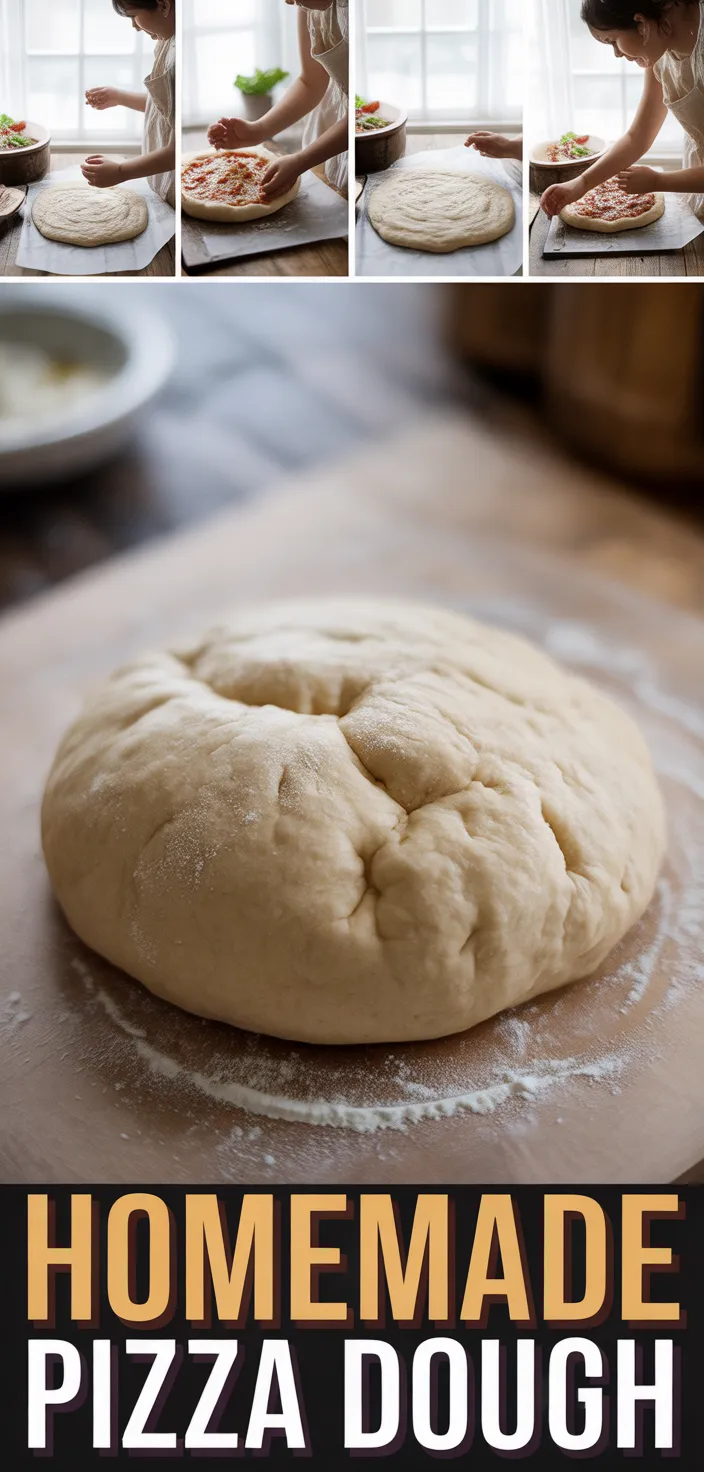
I’m obsessed with this Homemade Pizza Dough, it’s stupidly simple and lets you build your pizza any way you want. I use good all purpose flour and a splash of extra virgin olive oil so the crust gets that chew and flavor everyone fights over.
It’s a legit 30 Minute Pizza Dough Recipe if you push it, and even a bored kid can help which makes dinner less of a battle. If you’ve ever googled How To Make Homemade Pizza Crust and felt overwhelmed, this one is forgiving, messy, and somehow always beats takeout.
Ingredients
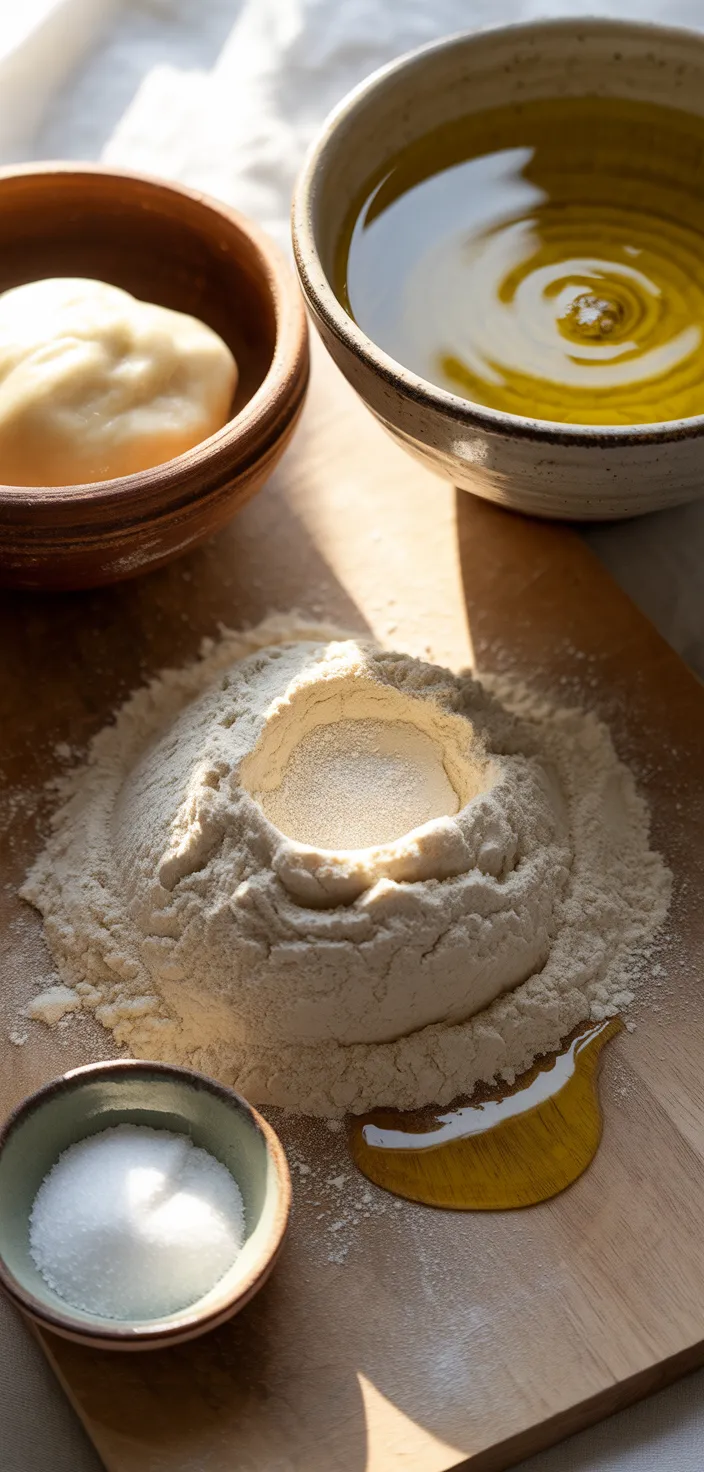
- Flour gives structure and carbs, adds chew, little protein, not very nutrient dense, staple.
- Water hydrates the dough, activates yeast, no calories, just keeps things alive, temperature matters.
- Yeast ferments sugars, creates bubbles for rise, adds slight tang and aroma, timing important.
- Salt boosts flavor, controls yeast activity, helps gluten development, use sparingly, flavor booster.
- Sugar or honey feed yeast, tiny sweetness, helps browning and crust color, caramelizes.
- Olive oil adds richness, tender crumb and flavor, a bit healthy fat, adds sheen.
- Semolina dusting keeps sticking away, gives crunchy texture and rustic flavor, for peel.
Ingredient Quantities
- 3 1/2 cups (420 g) all purpose flour, plus extra for dusting
- 1 1/4 cups (300 ml) warm water (about 105 to 115 F)
- 2 1/4 teaspoons (1 packet, 7 g) active dry yeast or instant yeast
- 1 1/2 teaspoons fine sea salt
- 1 teaspoon granulated sugar or honey
- 2 tablespoons extra virgin olive oil
- Semolina or cornmeal for dusting, optional
How to Make this
1. If using active dry yeast: pour 1 1/4 cups (300 ml) warm water (105 to 115 F) into a jar, stir in 1 teaspoon sugar or honey, sprinkle 2 1/4 teaspoons (1 packet, 7 g) yeast on top and let sit 5 to 10 minutes until foamy. If using instant yeast, skip proofing and stir the yeast directly into the flour in step
2.
2. In a large bowl whisk together 3 1/2 cups (420 g) all purpose flour and 1 1/2 teaspoons fine sea salt. If you used instant yeast, add it here. Make a well in the center.
3. Add the yeast mixture (or the warm water and honey if you used instant yeast and mixed them separately) and 2 tablespoons extra virgin olive oil into the flour well. Stir with a spoon until a shaggy dough forms.
4. Turn the dough onto a lightly floured surface and knead about 8 to 10 minutes until smooth and elastic. Or use a stand mixer with a dough hook for 5 to 7 minutes. Dough should be slightly tacky but not sticky, add flour sparingly if it’s too wet, but don’t go overboard.
5. Lightly oil a clean bowl, place the dough ball seam side down, cover with plastic wrap or a damp towel and let rise in a warm spot until doubled, about 1 to 2 hours. Quick tip: put the bowl in an oven with just the light on to speed it up. For more flavor you can refrigerate the oiled dough for 24 to 72 hours instead of a warm rise.
6. After the rise, punch the dough down and divide it into 2 or 3 portions depending how big you want your pizzas. Shape each portion into a tight ball, cover and let rest 20 to 30 minutes so the gluten relaxes.
7. Preheat your oven as hot as it goes, ideally 500 to 550 F, with a pizza stone or inverted baking sheet inside for at least 30 minutes. Scatter semolina or cornmeal on your peel or baking sheet to stop sticking.
8. On a lightly floured surface gently press and stretch each dough ball from the center out to form a round, leaving a slightly thicker rim. Don’t overwork it, use your knuckles and gravity, not just the rolling pin, if you want an airy crust.
9. Top the dough and slide it onto the preheated stone or baking sheet. Bake 7 to 12 minutes depending on oven temp, until the crust is golden and toppings are bubbling. Hotter oven = shorter bake time. Watch it, pizzas can go from perfect to burnt fast.
10. Let finished pizza rest a couple minutes, drizzle a little extra virgin olive oil if you like. Leftover dough keeps in the fridge up to 3 days in an airtight container or frozen up to 3 months; thaw overnight in the fridge and bring to room temp before shaping.
Equipment Needed
1. Large mixing bowl, for whisking the flour and salt and mixing the dough.
2. Liquid measuring cup or jar to measure warm water and proof active dry yeast.
3. Dry measuring cups and measuring spoons for flour, oil, salt and sugar.
4. Kitchen scale, optional but way more accurate if you want consistent results.
5. Whisk for the dry mix and to stir the sugar or honey into the water.
6. Wooden spoon or rubber spatula to bring the shaggy dough together before kneading.
7. Bench scraper to divide the dough and clean the work surface, saves your fingernails.
8. Stand mixer with dough hook if you have one, or be ready to knead by hand for 8 to 10 minutes, it takes a little elbow grease.
9. Pizza stone or inverted baking sheet plus a pizza peel or rimless baking sheet, semolina or cornmeal for dusting, and oven mitts for safety.
FAQ
Homemade Pizza Dough Recipe Substitutions and Variations
- All purpose flour: swap with bread flour 1:1 for a chewier, crispier crust, or use up to 50% whole wheat (add about 1 to 2 tbsp extra water per cup of whole wheat) for a nuttier, denser pizza — it’ll be heavier but tasty.
- Active dry yeast or instant yeast: instant can replace active dry 1:1 and you can usually mix it straight into the flour, no proofing needed; if you only have active dry, dissolve it in the warm water and wait 5 to 10 minutes till foamy.
- Granulated sugar or honey: you can use maple syrup or agave nectar 1:1, just cut the water by 1 to 2 tbsp to account for the extra liquid, or skip sweetener entirely if you prefer a slower rise and less browning.
- Extra virgin olive oil: substitute with a neutral oil like canola or vegetable 1:1 for a milder flavor, or use melted butter 1:1 for a richer crust; if you’re trimming fat, leave it out but expect a tougher, less tender dough.
Pro Tips
1. Proof your yeast properly and test it first. If the yeast doesnt foam in about 10 minutes toss it and use a new packet, old yeast will give you flat dough. If your kitchen is cold, put the jar near a warm spot like the oven with the light on, that helps.
2. Resist adding extra flour while kneading. A slightly tacky dough makes a lighter, airier crust. If it feels too sticky, oil your hands or the bench instead of piling on flour or youll end up with a dense crust.
3. Heat the stone or steel long enough. Let it preheat at the highest temp for at least 30 to 45 minutes so the bottom gets that instant sear. Use parchment or a well floured peel to transfer the pizza and keep an eye on it the last minute since cooks fast.
4. Dont overload the pie and rest the dough balls. Too many toppings or cold ingredients will weigh the crust down and make it soggy. Let shaped dough rest a few minutes if it fights you, and finish with a drizzle of good olive oil after baking for flavor.
Homemade Pizza Dough Recipe
I’m excited to share How To Make Homemade Pizza Crust from scratch, a surprisingly simple, kid-friendly recipe that lets you customize every pie just the way you like it.
8
servings
226
kcal
Equipment: 1. Large mixing bowl, for whisking the flour and salt and mixing the dough.
2. Liquid measuring cup or jar to measure warm water and proof active dry yeast.
3. Dry measuring cups and measuring spoons for flour, oil, salt and sugar.
4. Kitchen scale, optional but way more accurate if you want consistent results.
5. Whisk for the dry mix and to stir the sugar or honey into the water.
6. Wooden spoon or rubber spatula to bring the shaggy dough together before kneading.
7. Bench scraper to divide the dough and clean the work surface, saves your fingernails.
8. Stand mixer with dough hook if you have one, or be ready to knead by hand for 8 to 10 minutes, it takes a little elbow grease.
9. Pizza stone or inverted baking sheet plus a pizza peel or rimless baking sheet, semolina or cornmeal for dusting, and oven mitts for safety.
Ingredients
-
3 1/2 cups (420 g) all purpose flour, plus extra for dusting
-
1 1/4 cups (300 ml) warm water (about 105 to 115 F)
-
2 1/4 teaspoons (1 packet, 7 g) active dry yeast or instant yeast
-
1 1/2 teaspoons fine sea salt
-
1 teaspoon granulated sugar or honey
-
2 tablespoons extra virgin olive oil
-
Semolina or cornmeal for dusting, optional
Directions
- If using active dry yeast: pour 1 1/4 cups (300 ml) warm water (105 to 115 F) into a jar, stir in 1 teaspoon sugar or honey, sprinkle 2 1/4 teaspoons (1 packet, 7 g) yeast on top and let sit 5 to 10 minutes until foamy. If using instant yeast, skip proofing and stir the yeast directly into the flour in step
- In a large bowl whisk together 3 1/2 cups (420 g) all purpose flour and 1 1/2 teaspoons fine sea salt. If you used instant yeast, add it here. Make a well in the center.
- Add the yeast mixture (or the warm water and honey if you used instant yeast and mixed them separately) and 2 tablespoons extra virgin olive oil into the flour well. Stir with a spoon until a shaggy dough forms.
- Turn the dough onto a lightly floured surface and knead about 8 to 10 minutes until smooth and elastic. Or use a stand mixer with a dough hook for 5 to 7 minutes. Dough should be slightly tacky but not sticky, add flour sparingly if it’s too wet, but don’t go overboard.
- Lightly oil a clean bowl, place the dough ball seam side down, cover with plastic wrap or a damp towel and let rise in a warm spot until doubled, about 1 to 2 hours. Quick tip: put the bowl in an oven with just the light on to speed it up. For more flavor you can refrigerate the oiled dough for 24 to 72 hours instead of a warm rise.
- After the rise, punch the dough down and divide it into 2 or 3 portions depending how big you want your pizzas. Shape each portion into a tight ball, cover and let rest 20 to 30 minutes so the gluten relaxes.
- Preheat your oven as hot as it goes, ideally 500 to 550 F, with a pizza stone or inverted baking sheet inside for at least 30 minutes. Scatter semolina or cornmeal on your peel or baking sheet to stop sticking.
- On a lightly floured surface gently press and stretch each dough ball from the center out to form a round, leaving a slightly thicker rim. Don’t overwork it, use your knuckles and gravity, not just the rolling pin, if you want an airy crust.
- Top the dough and slide it onto the preheated stone or baking sheet. Bake 7 to 12 minutes depending on oven temp, until the crust is golden and toppings are bubbling. Hotter oven = shorter bake time. Watch it, pizzas can go from perfect to burnt fast.
- Let finished pizza rest a couple minutes, drizzle a little extra virgin olive oil if you like. Leftover dough keeps in the fridge up to 3 days in an airtight container or frozen up to 3 months; thaw overnight in the fridge and bring to room temp before shaping.
Notes
- Below you’ll find my best estimate of this recipe’s nutrition facts. Treat the numbers as a guide rather than a rule—great food should nourish both body and spirit. Figures are approximate, and the website owner assumes no liability for any inaccuracies in this recipe.
Nutrition Facts
- Serving Size: 96g
- Total number of serves: 8
- Calories: 226kcal
- Fat: 3.9g
- Saturated Fat: 0.49g
- Trans Fat: 0g
- Polyunsaturated: 0.45g
- Monounsaturated: 2.38g
- Cholesterol: 0mg
- Sodium: 450mg
- Potassium: 61mg
- Carbohydrates: 40.7g
- Fiber: 1.48g
- Sugar: 0.75g
- Protein: 5.75g
- Vitamin A: 0IU
- Vitamin C: 0mg
- Calcium: 9.6mg
- Iron: 2.55mg