I made Homemade Mayo that ruins grocery-store jars forever, and I’m not saying more until you scroll.
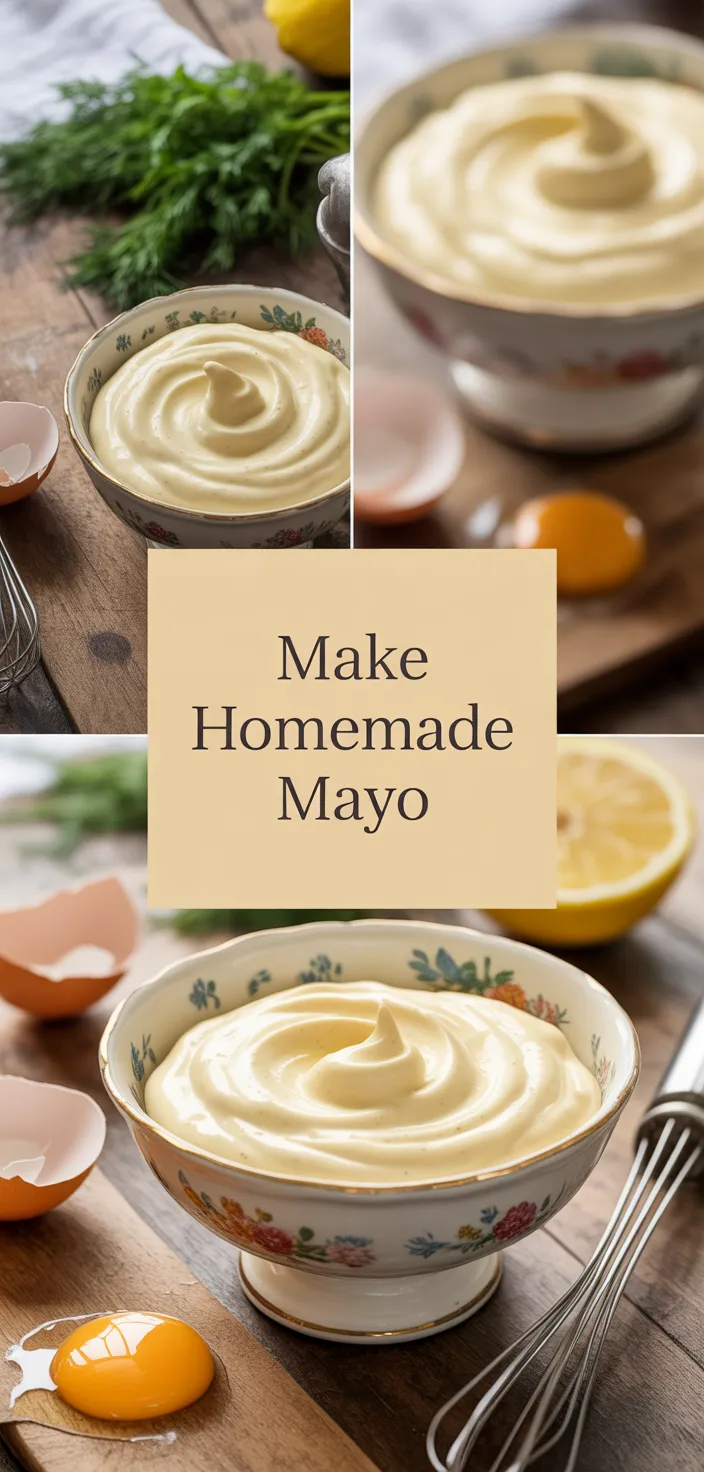
I’m obsessed with Homemade Mayo in a way that’s weird and slightly ridiculous. I love how a simple Mayonnaise Recipe becomes something luxurious with just a bright hit of lemon and a silky texture that clings to everything.
I adore the way it makes sandwiches sing, fries suddenly worth the calories, and salads feel like actual events. But I also like the raw, honest stuff, a single 1 large egg yolk and neutral oil and boom, something ridiculous.
And it’s not precious. It’s messy, rich, and exactly the kind of condiment I’ll hoard in the fridge.
I will eat it.
Ingredients
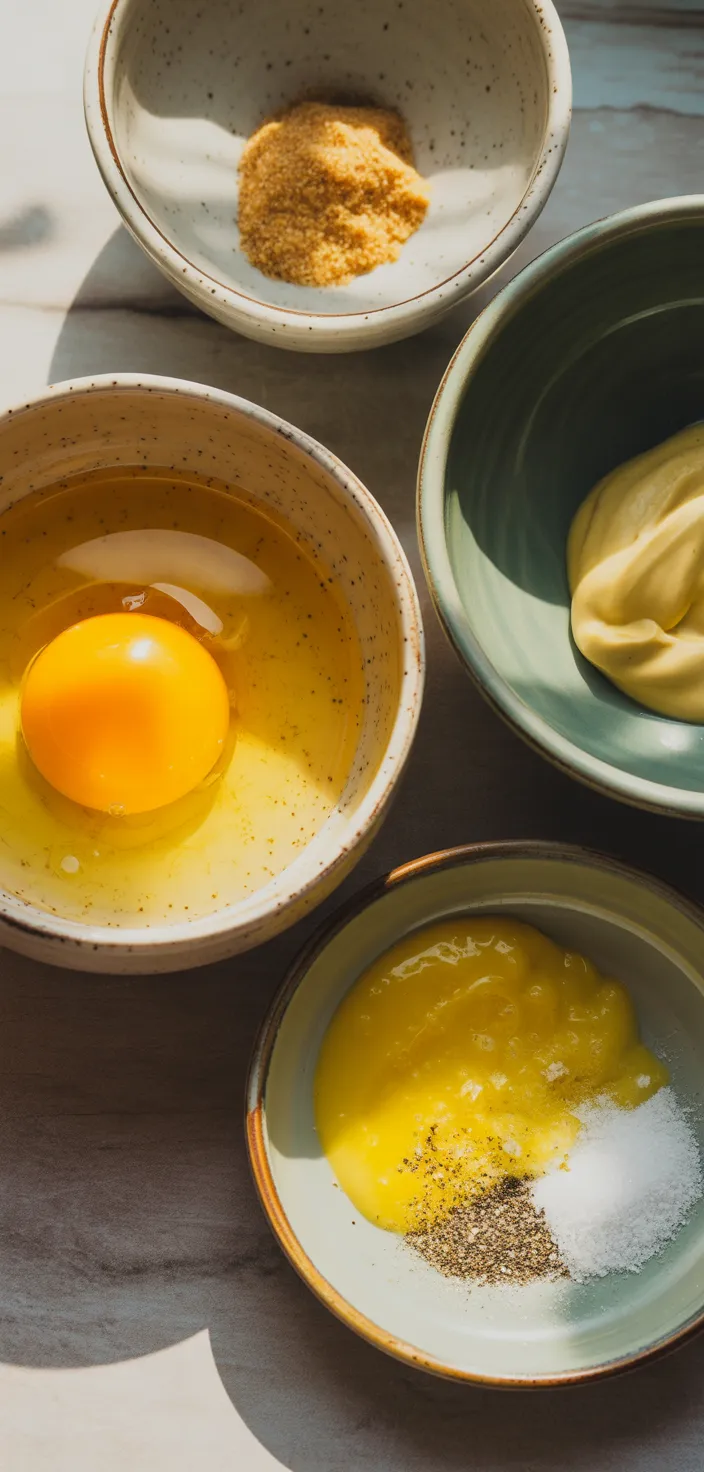
- Egg yolk or whole egg: creamy binder, gives mayo body and velvety silkiness.
- Neutral oil: the fat base, smooth mouthfeel and neutral canvas for flavors.
- Dijon mustard: adds zip, a tiny tang, and helps the emulsion hold.
- Plus lemon juice or vinegar: brightens flavor, cuts richness, keeps it fresh.
- Salt: wakes up flavors, balances and stops the mayo tasting flat.
- Pinch of pepper: optional warm bite, gives subtle heat and depth.
- Warm water: thins the mayo gently, rescues texture if it’s too thick.
- Sugar: tames sharp acidity, rounds flavors and makes it taste friendlier.
Ingredient Quantities
- 1 large egg yolk, at room temperature (or 1 whole large egg if you prefer it easier)
- 1 cup (240 ml) neutral oil, like vegetable, canola, or grapeseed
- 1 teaspoon Dijon mustard, about 5 ml
- 1 tablespoon (15 ml) fresh lemon juice or white wine vinegar, plus more to taste
- 1/4 to 1/2 teaspoon fine sea salt, to taste
- Pinch of white or black pepper, optional
- 1 teaspoon warm water, optional, helps adjust texture if needed
- 1/4 teaspoon sugar, optional, to balance acidity if you like it a bit sweeter
How to Make this
1. Put 1 large egg yolk at room temp into a medium bowl, or use 1 whole large egg if you want it easier; if you worry about raw egg use a pasteurized egg.
2. Add 1 teaspoon Dijon mustard, 1 tablespoon fresh lemon juice or white wine vinegar, 1/4 teaspoon fine sea salt, a pinch of pepper and 1/4 teaspoon sugar if you like a touch sweet; whisk briefly to combine.
3. Start whisking constantly while you add the oil very slowly, drop by drop at first, about a teaspoon at a time, so the emulsion can form; patience here is everything.
4. As the mixture thickens and holds together you can pour the oil a little faster in a thin steady stream, still whisking hard or keep the blender/immersion on low if you’re using one.
5. If it gets too thick and stiff, add 1 teaspoon warm water and whisk it in to loosen the texture, then continue adding oil until you’ve used about 1 cup total.
6. Taste and adjust: add more lemon juice or vinegar for brightness, more salt to season, or a pinch more sugar if you want it sweeter.
7. If the mayo breaks (looks curdled or watery) stop adding oil, grab a fresh egg yolk in a clean bowl, whisk it and slowly whisk the broken mayo into the new yolk to rescue it, or whisk in a little warm water then continue.
8. For a smoother, foolproof method use an immersion blender in a tall jar: put egg, mustard, acid and salt in jar, pour oil on top, then place blender at bottom and run it up slowly as it emulsifies.
9. Store homemade mayo in an airtight container in the fridge for up to 5 days, always smell and check before using; discard if anything seems off.
10. Use it right away on sandwiches, in dressings, or to make flavored mayo by stirring in garlic, herbs, or hot sauce, but don’t leave it out at room temp for long.
Equipment Needed
1. Medium mixing bowl
2. Whisk (or fork if you’re in a pinch)
3. Measuring spoons and 1 tablespoon measure
4. Liquid measuring cup for the oil (preferably with a spout)
5. Spatula or spoon for scraping the bowl
6. Small jar or cup if using an immersion blender
7. Immersion blender or a sturdy hand blender (optional but foolproof)
8. Airtight container for storing the mayo in the fridge
FAQ
Make Homemade Mayo Recipe Substitutions and Variations
Make Homemade Mayo
A quick, silky mayo you can make in minutes. If your kitchen is cold, warm the egg and bowl a bit so the emulsion comes together easier. This yields about 1 cup.
Ingredients
1 large egg yolk, at room temperature (or 1 whole large egg if you want it easier)
1 cup (240 ml) neutral oil like vegetable, canola, or grapeseed
1 teaspoon Dijon mustard (about 5 ml)
1 tablespoon (15 ml) fresh lemon juice or white wine vinegar, plus more to taste
1/4 to 1/2 teaspoon fine sea salt, to taste
Pinch of white or black pepper, optional
1 teaspoon warm water, optional, helps adjust texture if needed
1/4 teaspoon sugar, optional, to balance acidity if you like it a bit sweeter
Method
1. Whisk the yolk, mustard, salt and a splash of lemon or vinegar in a bowl until smooth. If using a whole egg skip separating, but go gently at first.
2. Very slowly drizzle in about a teaspoon of oil while whisking constantly until it thickens. Once it starts to emulsify you can add the oil a bit faster.
3. Keep adding oil in a thin stream until all is incorporated and mayo is thick.
4. Stir in remaining lemon or vinegar to taste, pepper, and the warm water or sugar if needed to adjust feel and flavor.
5. Taste and adjust salt or acid. Store in the fridge up to 3 days for whole egg, 1 week for yolk-only, label it.
Quick tips
– If it breaks, whisk in a teaspoon of hot water or a fresh egg yolk in a clean bowl and slowly add the broken mayo back into it.
– Use light flavored oils so it doesn’t taste oily. Olive oil can be bitter if not mild.
– Keep ingredients close to room temp so it emulsifies faster.
- Egg yolk or whole egg: substitute with 3 tbsp aquafaba (chickpea brine) for a vegan mayo; start like an egg, whip it till foamy then add oil slowly
- Neutral oil: use light olive oil or avocado oil for a milder, fruitier taste; avoid extra virgin olive oil unless you like a strong olive flavor
- Mustard: swap Dijon for 1 tsp yellow mustard or 1/4 tsp dry mustard powder if thats what you have
- Lemon juice / vinegar: use apple cider vinegar or lime juice in the same amount, then taste and tweak
Pro Tips
1. Use room temp eggs, seriously it helps the emulsion start faster. Cold eggs slow everything down and make it more likely to break.
2. Add the oil crazy slowly at first, like drop by drop, until it thickens, then you can pour a thin steady stream. If it splits, dont throw it out — whisk a fresh yolk in a clean bowl and slowly beat the broken mayo into it.
3. If your mayo gets too stiff, add a teaspoon of warm water and whisk it in. A little water loosens it without thinning the flavor, so you can keep going.
4. Want foolproof results? Use an immersion blender in a tall jar: put egg, mustard, acid and salt in the jar, pour oil on top, stick the blender to the bottom and lift it as it emulsifies. Way faster and less arm work.
5. Taste and finish boldly: more acid brightens, more salt brings flavor forward, and a tiny pinch of sugar can smooth harsh tangs. Keep refrigerated and use within 5 days, or use pasteurized eggs if youre worried about raw egg safety.
Make Homemade Mayo Recipe
I made Homemade Mayo that ruins grocery-store jars forever, and I’m not saying more until you scroll.
16
servings
126
kcal
Equipment: 1. Medium mixing bowl
2. Whisk (or fork if you’re in a pinch)
3. Measuring spoons and 1 tablespoon measure
4. Liquid measuring cup for the oil (preferably with a spout)
5. Spatula or spoon for scraping the bowl
6. Small jar or cup if using an immersion blender
7. Immersion blender or a sturdy hand blender (optional but foolproof)
8. Airtight container for storing the mayo in the fridge
Ingredients
-
1 large egg yolk, at room temperature (or 1 whole large egg if you prefer it easier)
-
1 cup (240 ml) neutral oil, like vegetable, canola, or grapeseed
-
1 teaspoon Dijon mustard, about 5 ml
-
1 tablespoon (15 ml) fresh lemon juice or white wine vinegar, plus more to taste
-
1/4 to 1/2 teaspoon fine sea salt, to taste
-
Pinch of white or black pepper, optional
-
1 teaspoon warm water, optional, helps adjust texture if needed
-
1/4 teaspoon sugar, optional, to balance acidity if you like it a bit sweeter
Directions
- Put 1 large egg yolk at room temp into a medium bowl, or use 1 whole large egg if you want it easier; if you worry about raw egg use a pasteurized egg.
- Add 1 teaspoon Dijon mustard, 1 tablespoon fresh lemon juice or white wine vinegar, 1/4 teaspoon fine sea salt, a pinch of pepper and 1/4 teaspoon sugar if you like a touch sweet; whisk briefly to combine.
- Start whisking constantly while you add the oil very slowly, drop by drop at first, about a teaspoon at a time, so the emulsion can form; patience here is everything.
- As the mixture thickens and holds together you can pour the oil a little faster in a thin steady stream, still whisking hard or keep the blender/immersion on low if you’re using one.
- If it gets too thick and stiff, add 1 teaspoon warm water and whisk it in to loosen the texture, then continue adding oil until you’ve used about 1 cup total.
- Taste and adjust: add more lemon juice or vinegar for brightness, more salt to season, or a pinch more sugar if you want it sweeter.
- If the mayo breaks (looks curdled or watery) stop adding oil, grab a fresh egg yolk in a clean bowl, whisk it and slowly whisk the broken mayo into the new yolk to rescue it, or whisk in a little warm water then continue.
- For a smoother, foolproof method use an immersion blender in a tall jar: put egg, mustard, acid and salt in jar, pour oil on top, then place blender at bottom and run it up slowly as it emulsifies.
- Store homemade mayo in an airtight container in the fridge for up to 5 days, always smell and check before using; discard if anything seems off.
- Use it right away on sandwiches, in dressings, or to make flavored mayo by stirring in garlic, herbs, or hot sauce, but don’t leave it out at room temp for long.
Notes
- Below you’ll find my best estimate of this recipe’s nutrition facts. Treat the numbers as a guide rather than a rule—great food should nourish both body and spirit. Figures are approximate, and the website owner assumes no liability for any inaccuracies in this recipe.
Nutrition Facts
- Serving Size: 15g
- Total number of serves: 16
- Calories: 126kcal
- Fat: 13.9g
- Saturated Fat: 1g
- Trans Fat: 0g
- Polyunsaturated: 4.2g
- Monounsaturated: 8.4g
- Cholesterol: 11.6mg
- Sodium: 76mg
- Potassium: 1.2mg
- Carbohydrates: 0.1g
- Fiber: 0g
- Sugar: 0.1g
- Protein: 0.17g
- Vitamin A: 15IU
- Vitamin C: 0.06mg
- Calcium: 1.3mg
- Iron: 0.03mg