I’m always amazed that one simple loaf can rise so tall, slice so neatly, and still have that buttery soft crumb with a perfectly chewy crust. This is the kind of sandwich bread that makes store-bought feel impossible to go back to.
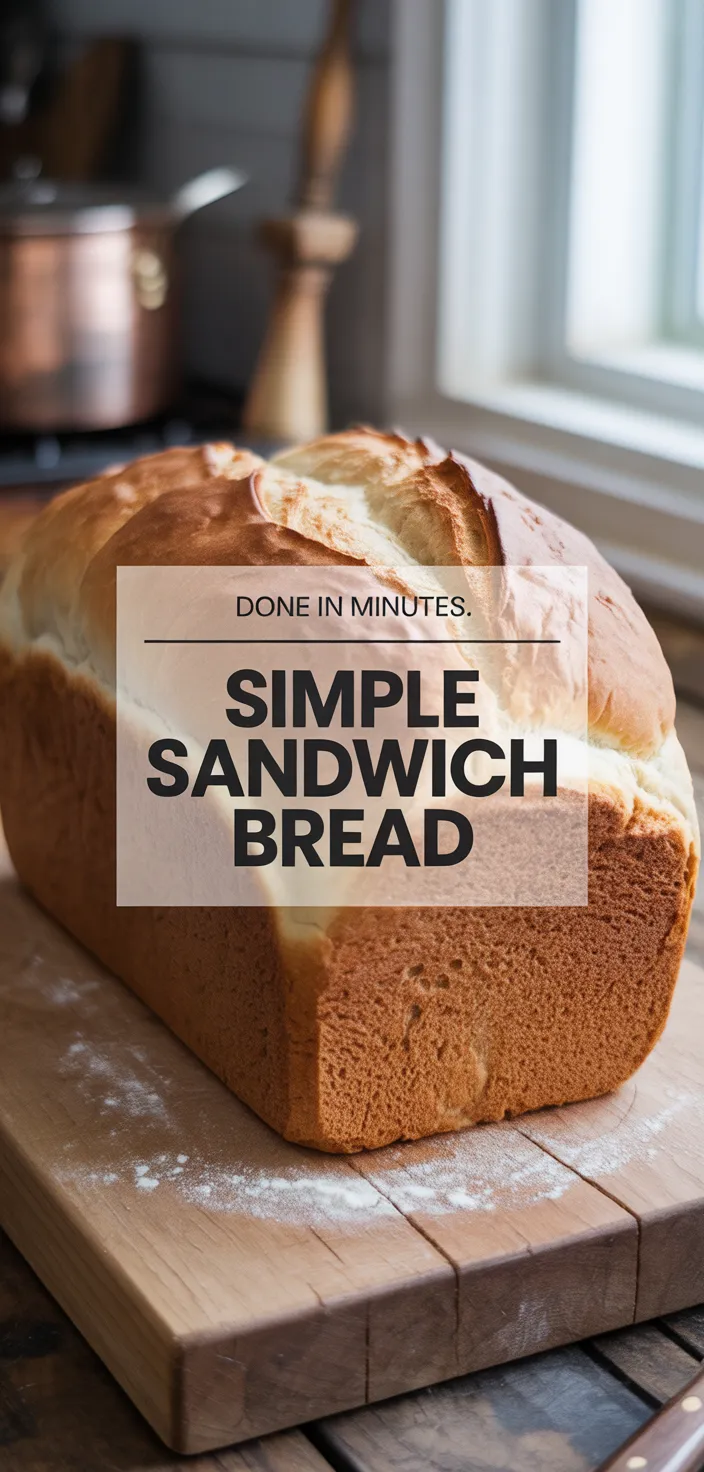
I’m obsessed with this simple sandwich bread because it gives me everything I want in a loaf without making a whole production out of it. The crumb is buttery and soft, but not flimsy, so it actually holds up to thick peanut butter, messy egg salad, or a grilled cheese situation.
And that chewy crust? So good.
I love that it bakes up extra tall, with that classic bakery-style slice shape I want for everyday sandwiches. Active dry yeast does its thing, butter brings the flavor, and the whole loaf tastes miles better than anything in a plastic bag.
But seriously. One loaf.
Ingredients
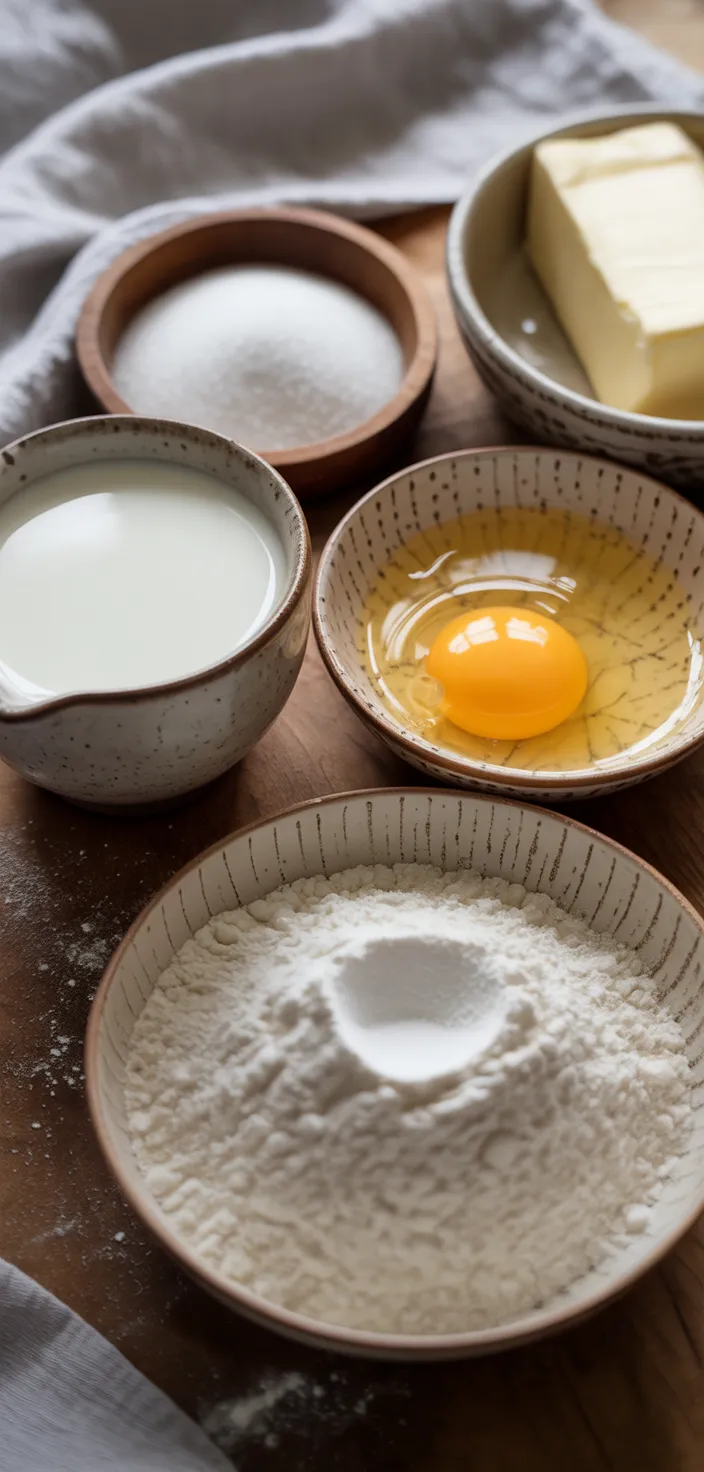
- Warm milk makes the loaf soft, cozy, and a little richer.
- Active dry yeast brings the rise, so you’ll get that fluffy sandwich slice.
- Sugar feeds the yeast and adds just enough gentle sweetness.
- The egg helps with softness, structure, and a nicer golden color.
- All purpose flour keeps it simple, sturdy, and perfect for everyday toast.
- Fine salt keeps the bread from tasting flat.
Basically, don’t skip it.
- Softened butter adds tenderness and that classic homemade bread vibe.
- Plus, melted butter on top gives a shiny, soft, snackable crust.
Ingredient Quantities
- 1 cup (240 ml) warm milk (about 105 to 115 F)
- 2 1/4 teaspoons active dry yeast (1 packet)
- 2 tablespoons (25 g) granulated sugar
- 1 large egg, room temperature
- 3 1/2 cups (420 g) all purpose flour, plus extra for kneading
- 1 1/2 teaspoons fine salt
- 2 tablespoons (28 g) unsalted butter, softened
- 1 to 2 tablespoons unsalted butter, melted for brushing
How to Make this
1. Warm 1 cup (240 ml) milk to about 105 to 115 F and stir in 2 1/4 teaspoons active dry yeast and 2 tablespoons (25 g) granulated sugar; let sit 5 to 10 minutes until foamy.
2. In a large bowl whisk 1 large room temperature egg and pour in the foamy yeast mixture.
3. Add 3 1/2 cups (420 g) all purpose flour and 1 1/2 teaspoons fine salt to the bowl; mix until a shaggy dough forms.
4. Add 2 tablespoons (28 g) softened unsalted butter and work it into the dough until incorporated.
5. Turn dough onto a lightly floured surface and knead 8 to 10 minutes until smooth and elastic, adding a little extra flour only if dough is too sticky.
6. Place dough in a lightly greased bowl, cover with plastic wrap or a clean towel, and let rise in a warm spot until doubled, about 1 to 1 1/2 hours.
7. Gently deflate the dough, shape it into a loaf by rolling or folding to create surface tension, and place seam side down into a greased 9×5 inch loaf pan.
8. Cover and let the loaf rise until it domes about 1 inch above the rim of the pan, about 45 to 60 minutes.
9. Preheat oven to 350 F. Brush the top with 1 to 2 tablespoons melted unsalted butter. Bake 30 to 35 minutes until golden brown and the internal temperature reaches about 190 F.
10. Remove from oven, brush again with melted butter if desired, cool in the pan 10 minutes, then transfer to a wire rack to cool completely before slicing.
Equipment Needed
1. Measuring cups and spoons
2. Instant read thermometer
3. Large mixing bowl
4. Whisk
5. Silicone spatula or wooden spoon
6. Bench scraper or dough scraper
7. Lightly floured work surface (or pastry board)
8. 9×5 inch loaf pan
9. Pastry brush
10. Wire cooling rack
FAQ
Simple Sandwich Bread Recipe Substitutions and Variations
- Milk: buttermilk diluted with water to match volume for a tangy loaf; unsweetened dairy-free milk such as soy or oat at the same temperature; whole milk powder reconstituted for richer crumb.
- Active dry yeast: instant yeast used at 25 percent less by weight, add directly to flour; fresh yeast at about 3 times the weight of active dry, dissolved in milk first; a fed sourdough starter, use about 100 to 150 g and reduce flour and liquid slightly.
- Egg: one flax egg made from 1 tablespoon ground flax plus 3 tablespoons water for each egg, gives structure and moistness; commercial egg replacer equal to one egg; omit egg and add 1 tablespoon extra butter and 1 to 2 tablespoons milk to preserve tenderness.
- Butter: softened margarine or baking stick margarine in equal amount; neutral vegetable oil such as canola, use 2 tablespoons but expect a slightly different crumb; melted and cooled coconut oil, same amount, will add subtle coconut notes.
Pro Tips
1) Warm the milk precisely: aim for 105 to 115 F and test with your wrist if you do not have a thermometer; it should feel warm but not hot. If the milk is too warm you can kill the yeast, and if too cool the rise will be sluggish.
2) Incorporate the butter slowly: add the softened butter once the dough is already coming together, then knead until fully absorbed. Small pieces of butter left in the dough help create a softer crumb and better flavor.
3) Use feel, not just a timer, when kneading and proofing. Knead until the dough is smooth and elastic and springs back slightly. For the first rise, it should roughly double in volume; if your kitchen is cool, give it more time rather than increasing the dough temperature too much.
4) Cool completely before slicing. Let the loaf cool on a rack until room temperature so the crumb sets and slices cleanly; cutting too early yields a gummy texture.
Simple Sandwich Bread Recipe
I’m always amazed that one simple loaf can rise so tall, slice so neatly, and still have that buttery soft crumb with a perfectly chewy crust. This is the kind of sandwich bread that makes store-bought feel impossible to go back to.
12
servings
180
kcal
Equipment: 1. Measuring cups and spoons
2. Instant read thermometer
3. Large mixing bowl
4. Whisk
5. Silicone spatula or wooden spoon
6. Bench scraper or dough scraper
7. Lightly floured work surface (or pastry board)
8. 9×5 inch loaf pan
9. Pastry brush
10. Wire cooling rack
Ingredients
-
1 cup (240 ml) warm milk (about 105 to 115 F)
-
2 1/4 teaspoons active dry yeast (1 packet)
-
2 tablespoons (25 g) granulated sugar
-
1 large egg, room temperature
-
3 1/2 cups (420 g) all purpose flour, plus extra for kneading
-
1 1/2 teaspoons fine salt
-
2 tablespoons (28 g) unsalted butter, softened
-
1 to 2 tablespoons unsalted butter, melted for brushing
Directions
- Warm 1 cup (240 ml) milk to about 105 to 115 F and stir in 2 1/4 teaspoons active dry yeast and 2 tablespoons (25 g) granulated sugar; let sit 5 to 10 minutes until foamy.
- In a large bowl whisk 1 large room temperature egg and pour in the foamy yeast mixture.
- Add 3 1/2 cups (420 g) all purpose flour and 1 1/2 teaspoons fine salt to the bowl; mix until a shaggy dough forms.
- Add 2 tablespoons (28 g) softened unsalted butter and work it into the dough until incorporated.
- Turn dough onto a lightly floured surface and knead 8 to 10 minutes until smooth and elastic, adding a little extra flour only if dough is too sticky.
- Place dough in a lightly greased bowl, cover with plastic wrap or a clean towel, and let rise in a warm spot until doubled, about 1 to 1 1/2 hours.
- Gently deflate the dough, shape it into a loaf by rolling or folding to create surface tension, and place seam side down into a greased 9×5 inch loaf pan.
- Cover and let the loaf rise until it domes about 1 inch above the rim of the pan, about 45 to 60 minutes.
- Preheat oven to 350 F. Brush the top with 1 to 2 tablespoons melted unsalted butter. Bake 30 to 35 minutes until golden brown and the internal temperature reaches about 190 F.
- Remove from oven, brush again with melted butter if desired, cool in the pan 10 minutes, then transfer to a wire rack to cool completely before slicing.
Notes
- Below you’ll find my best estimate of this recipe’s nutrition facts. Treat the numbers as a guide rather than a rule—great food should nourish both body and spirit. Figures are approximate, and the website owner assumes no liability for any inaccuracies in this recipe.
Nutrition Facts
- Serving Size: 65.5g
- Total number of serves: 12
- Calories: 180kcal
- Fat: 4.44g
- Saturated Fat: 2.36g
- Trans Fat: 0.04g
- Polyunsaturated: 0.27g
- Monounsaturated: 1.15g
- Cholesterol: 25mg
- Sodium: 310mg
- Potassium: 70mg
- Carbohydrates: 29.7g
- Fiber: 0.94g
- Sugar: 3.08g
- Protein: 5g
- Vitamin A: 136IU
- Vitamin C: 0mg
- Calcium: 33mg
- Iron: 0.49mg